
Sustainable-ish Family Life
I Asked AI for Autumn Craft Ideas Using Only What We Had at Home
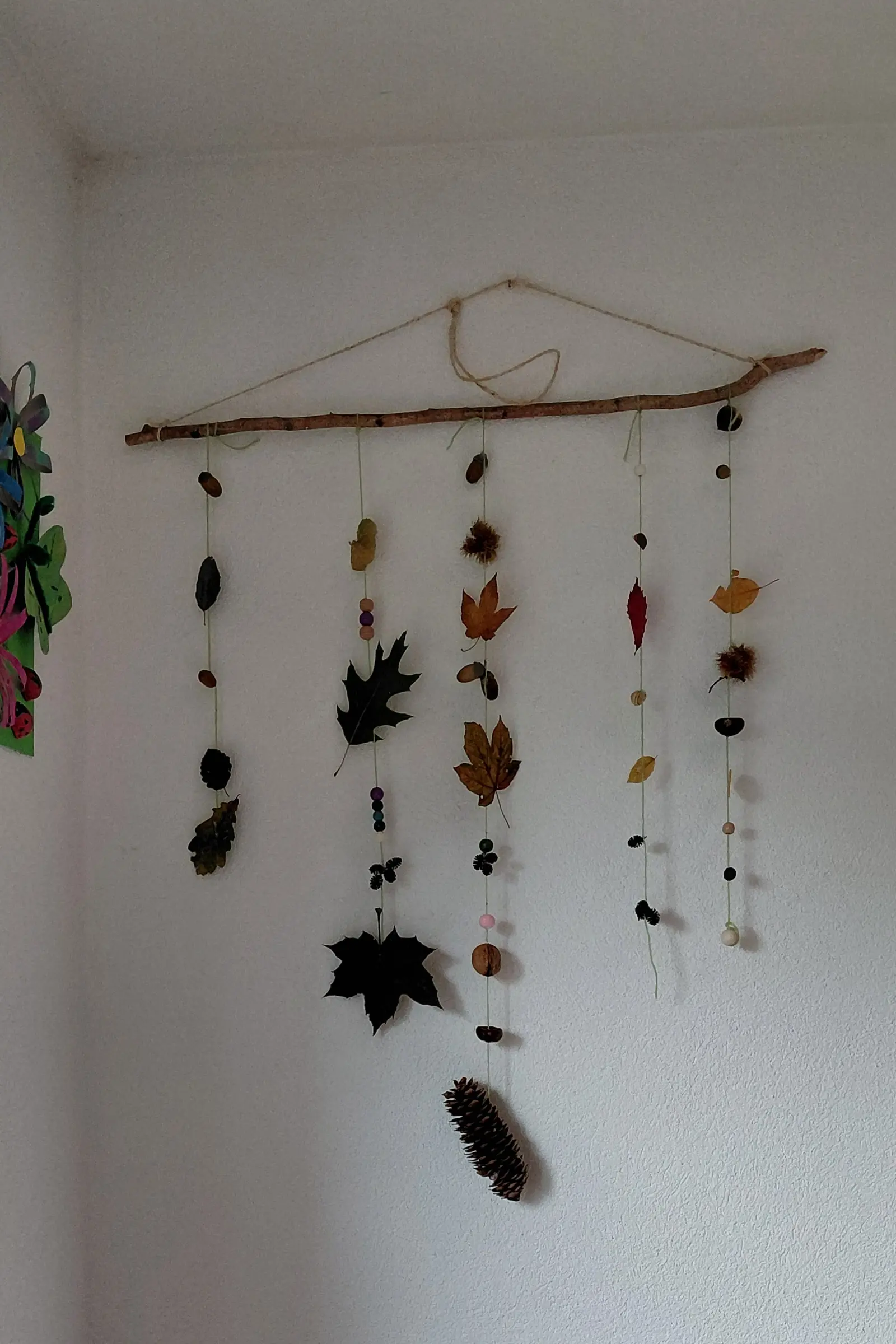
I wanted to make some autumn decorations with the kids.
That part was already my idea.
What I did not want was the very predictable second part: realizing we were missing three tiny craft supplies, going to a store “just for those,” and somehow coming home with another bag of things to add to the craft cupboard.
We already had plenty.
So instead of asking AI, “What autumn crafts should we make?”, I gave it a different job:
Use what we already have.
That small change made this experiment much more useful.
The real problem wasn’t a lack of ideas
I wasn’t sitting at home with absolutely no clue what to do.
I knew I wanted some simple autumn decoration. I wanted something we could hang on a wall or in a window, something suitable for doing with young children, and ideally something that would not create a giant mess.
The problem was turning the random collection of things already in our house into one realistic project.
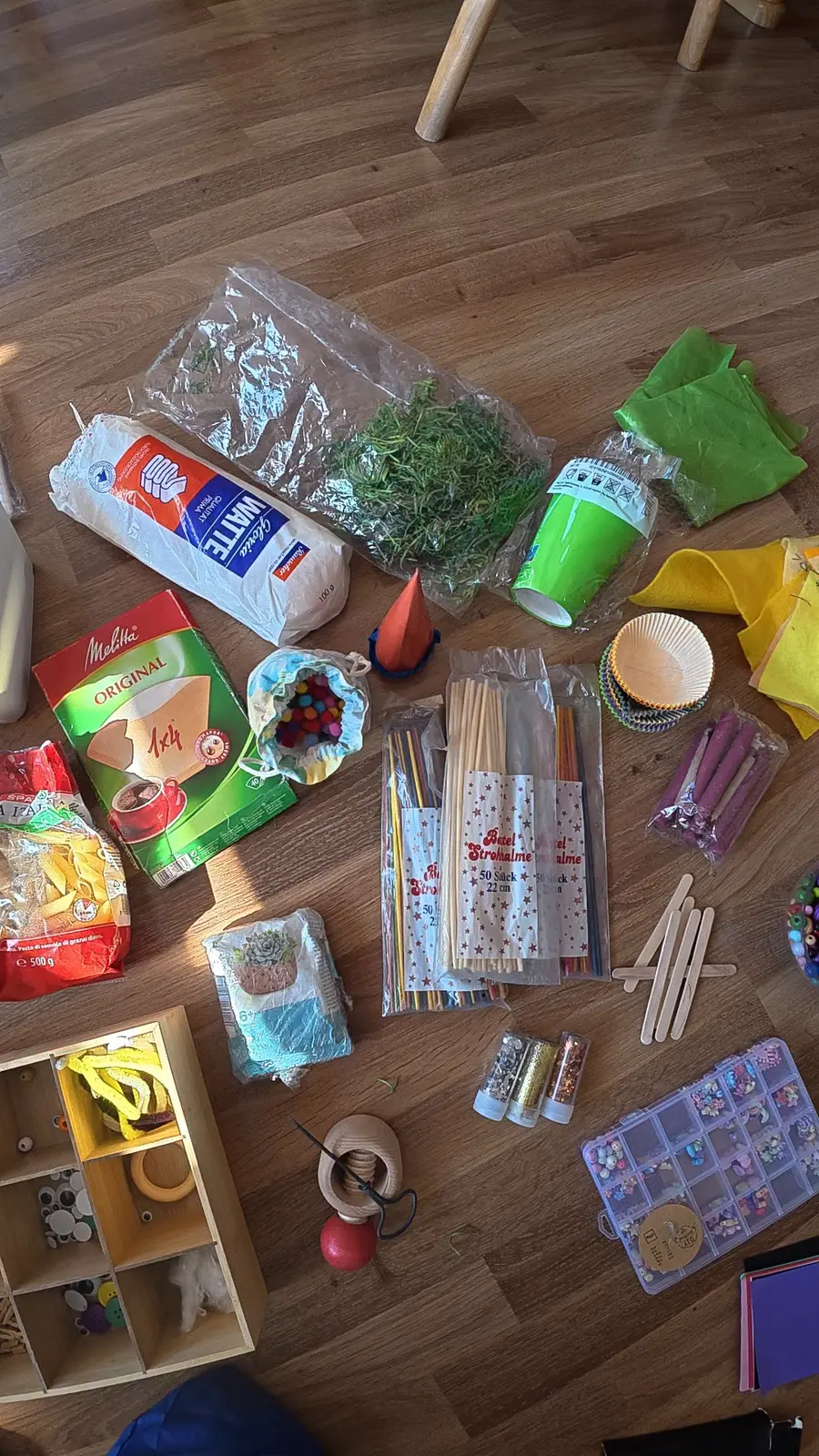
Our stash included things like:
- colored paper and cardstock
- felt and fabric scraps
- natural twine and jute
- wooden beads and craft sticks
- buttons, pom-poms and other small craft pieces
- egg cartons and cardboard tubes
- paint, markers and glue
- branches
- chestnuts
- pine cones
- acorns
- a few dried autumn leaves
Plus the very important rule:
No shopping allowed.
The prompt I used
Here is the useful part you can steal.
I told AI what we actually had, then added clear limits:
I want to make some autumn decorations with my kids, but I don’t want to buy any new craft supplies.
Here’s what we already have at home: [insert your actual materials].
I’d prefer something we can hang in a window or on a wall.
Give me 3 realistic autumn craft/decor ideas using only what we already have.
Do not suggest buying anything. Do not assume we have materials that aren’t listed. Keep the ideas suitable for young children, relatively low-mess, and nice enough that I’d actually want to keep the finished decoration up.
I also told it that any drilling, hot glue or wire work would be handled by an adult.
That mattered because “kid-friendly” can become a very vague instruction — something I’d already learned the hard way when AI planned a supposedly kid-friendly family outing. I wanted ideas that fit our actual materials and our actual level of patience.
The three ideas AI suggested
AI gave me three options:
- an autumn branch wall hanging
- a simple leaf-and-felt garland
- hanging woodland figures made from chestnuts and acorns
And it recommended the first one.
That was interesting because it was also the option that made the best use of the natural materials we already had without trying to cram every single craft supply into one project.
The idea was simple: use a real branch as the top, then hang different lengths of twine with leaves, chestnuts, acorns, beads and pine cones.
No special kit.
No “essential” extra purchase.
Just a workable idea built around the stuff already sitting in the house.
What we actually made
We went with the branch hanging.
The kids could help choose materials and decide what should go where. The adult-only jobs were the obvious ones: drilling chestnuts and handling hot glue.
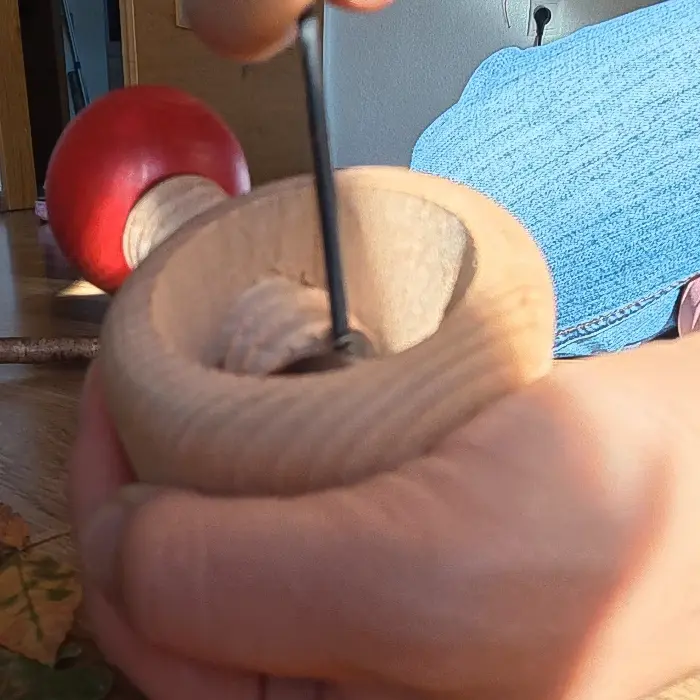
And then we made it.
Was it Pinterest-perfect?
Nope.
At first I wasn’t even completely sure how much I liked it.
But the funny thing is: the more I looked at it, the prettier it became.
It now feels exactly like what it is — a slightly imperfect autumn decoration made together from things we already had.
And yes:
This one stays.
What AI actually helped with
This experiment is a good example of something I think gets missed in a lot of AI advice.
AI does not always need to come up with the original idea.
I already wanted to make autumn decorations.
I already knew I did not want to buy more supplies.
The useful AI step was turning:
“I want to make something autumn-y with all this random stuff”
into:
“Here are three realistic ways to do that.”
That is a much more practical role for AI in real family life.
It can help narrow choices, connect the dots and turn a vague intention into a next step.
You still decide what fits your home, your kids, your time and your taste.
The no-buy rule made the prompt better
Without the no-shopping constraint, it would have been very easy to get a lovely-looking craft idea that required one more type of ribbon, a wreath base, special hooks, wooden rings or whatever else the internet thinks every family casually keeps in a drawer.
The constraint forced the answer to work with reality.
And that is probably the biggest takeaway from this experiment:
Sometimes the best recommendation is not what to buy. It is how to use what you already have.
That applies to much more than crafts.
I found the same principle useful in my DIY dishwasher powder reality check: a “sustainable” idea is only useful if it actually works in real life.
And in my AI garden rescue experiment, AI was most useful as a decision aid — not as some magical expert that took over the whole job.
A simple version you can try
You do not need to make the same decoration we did.
The reusable method is:
- Gather or photograph the materials you already have.
- Tell AI exactly what is available.
- Add your real constraints: age, mess level, time, where you want to display it.
- Say explicitly: do not suggest buying anything.
- Ask for only two or three realistic options.
- Pick the one that actually fits your life.
That is it.
No craft haul required.
Mama Verdict
Before your next craft-store run, try showing AI what you already have first.
If you try this approach, you do not need the same materials or the same result. The useful part is giving AI your real inventory and making “no shopping” part of the prompt.