Healthy-ish Family Food & Lunchboxes
I Asked AI to Make 3 Lunchboxes From Food We Already Had
Lunchboxes have a funny way of becoming their own grocery category.
A special bread. A different snack. Something tiny and individually packaged because apparently normal food stops working once you put it in a lunchbox.
I didn’t want another shopping list.
So for three days, I tried something much simpler: I told AI what food we actually had at home and asked it to turn that into a practical cold lunch.
No special lunchbox groceries. No Pinterest mission. Just real food that was already there.
And honestly? The best part wasn’t any particular lunch.
It was not having to make another decision.
The real-life problem
We already plan groceries for normal family meals.
Adding another list just for lunchboxes means more shopping, more open packages in the fridge and more things that eventually need to be used up.
That felt backwards.
So instead of asking AI:
“Give me three healthy lunchbox ideas.”
I gave it the constraint that actually mattered:
Use what we already have.
There was one more important detail: the lunch needed to work cold because there was no way to reheat it.
That changed the task from generic meal inspiration into something that actually fit real life.
Day 1: leftovers became lunch
The first day was the most obvious test.
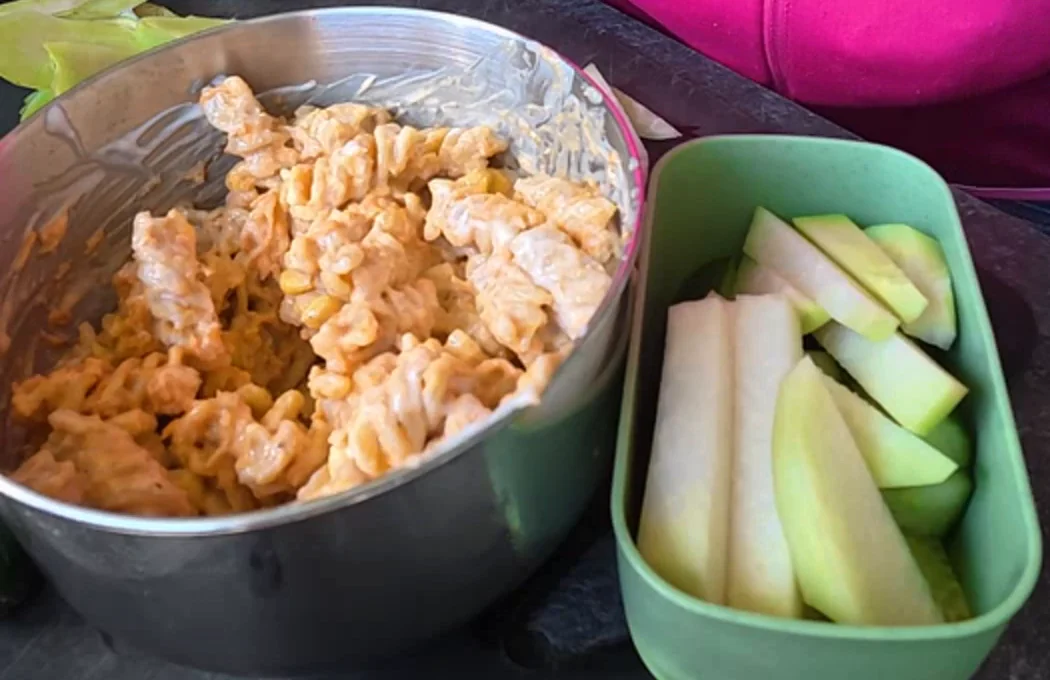
We had leftover lentil sauce and pasta from dinner.
Instead of wondering whether I could somehow turn that into tomorrow’s lunch — or defaulting to making something completely different — I asked AI.
The basic question was:
“I have leftover lentil sauce and pasta from dinner. Can I turn this into a practical lunchbox for tomorrow? There is no way to reheat the food, so it needs to work well cold. Please keep it simple and use only what I already have.”
The lunch ended up being a cold lentil pasta combination with some crunchy vegetables alongside it.
Nothing revolutionary.
Which was exactly the point.
AI didn’t need to invent dinner 2.0. It just needed to help me see that what was already sitting in the fridge was enough.

Day 2: the “what’s still in the fridge?” lunch
The next day, the available food looked completely different.
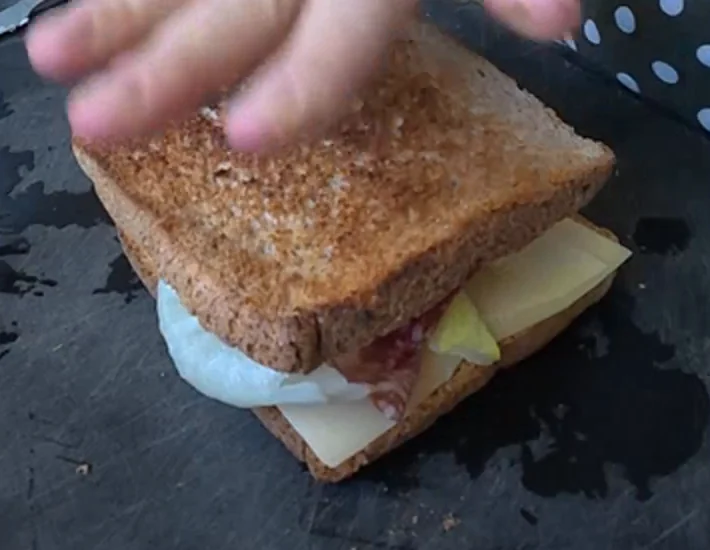
We had wholegrain toast, cheese, salami, iceberg lettuce, cucumber, kohlrabi and radishes.
Again, I didn’t ask AI for the best lunchbox.
I asked for one realistic cold lunch using only those ingredients.
The result was essentially a cheese and salami toast with vegetables alongside it.
Again: very normal food.
But AI removed the tiny mental-load step of standing in front of the fridge thinking:
What exactly should I put together from this?
That counts.
Day 3: the same idea, different format
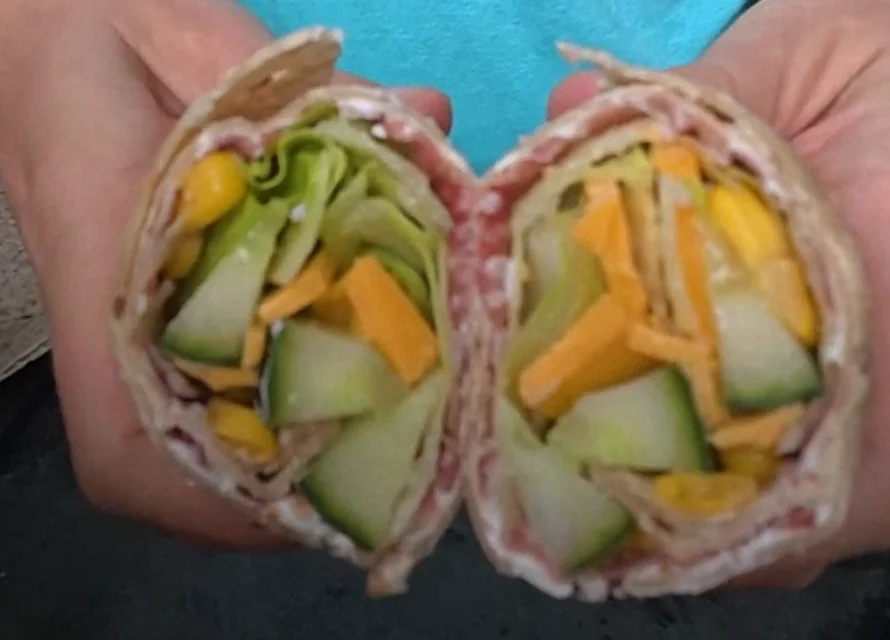
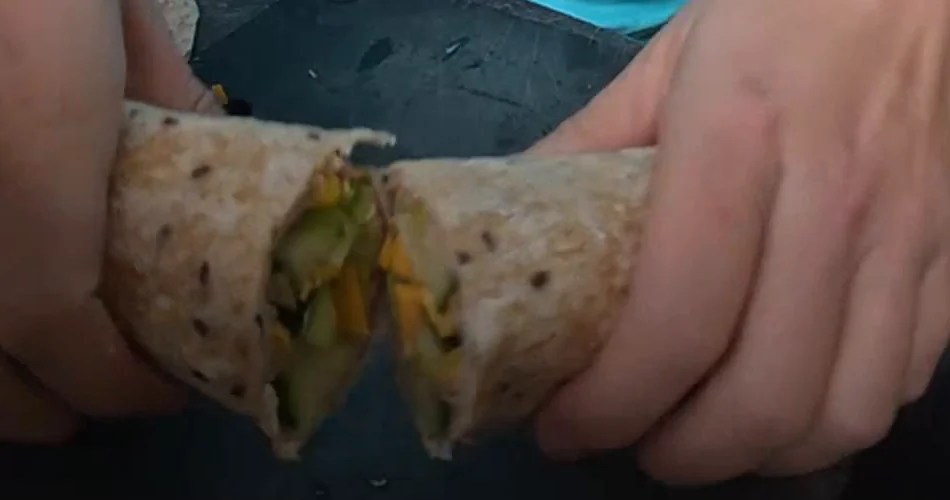
By day three, there were still wraps, cucumber, tomatoes, iceberg lettuce, radishes, wholegrain toast, cream cheese, cheese and salami available.
This time AI suggested using the remaining ingredients in a wrap.
Cream cheese, salami and vegetables went in, it was rolled up, sliced, packed — done.
The ingredients weren’t new.
The useful part was simply getting a different way to combine them before I automatically added something else to the shopping list.
The prompt structure that actually helped
The most useful thing I learned from this test is that the ingredient list alone isn’t enough.
The real-life constraints matter just as much.
Here’s the reusable version I’d use again:
“I need to make a practical cold lunchbox using only food we already have at home.

There is no way to reheat the food, so everything needs to work well cold.

What I have:
[LIST YOUR FOOD]

Please create one realistic lunchbox from these ingredients.

Important:
- Do not suggest anything I need to buy.
- Keep prep simple and quick.
- Healthy-ish is enough — it does not need to be nutritionally perfect.
- Use ingredients in a way that makes sense cold.
- Avoid unnecessary decorative lunchbox ideas.
- Prefer using leftovers or open ingredients efficiently so we reduce food waste.
- Tell me what to use for the main part and what to serve alongside it.”
What worked — and what didn’t need to be impressive
None of these lunches was groundbreaking.
There were no tiny star-shaped vegetables.
No special snack containers.
No separate “lunchbox food.”
And that’s why the experiment worked for me.
Over three days, the lunches used leftovers and ingredients that were already part of our normal kitchen.
AI didn’t make lunchboxes more elaborate.
It made deciding what to put in them easier.
That is a much more useful job for AI in my house.
A quick food-safety note
“Works cold” does not mean “can sit warm all day.”
Ingredients such as dairy products, meat, cooked pasta and other perishable foods still need appropriate cold storage during transport and until they are eaten.
AI can help with ideas. It shouldn’t replace normal food-safety judgement.
Mama Verdict: This one stays.
I wouldn’t ask AI to build some perfect lunchbox system for the whole month.
But on a normal day when I have food in the fridge and don’t want to make one more decision?
Yes.
This is exactly the kind of AI help I want:
Use what’s already here. Make one sensible decision. Then let me get on with my day.
Try it yourself
Next time you need a lunchbox, don’t start with:
“What should I buy?”
Start with:
“This is what I already have. What can I make from it?”
That small change turns AI from an idea generator into something much more useful:
a way to reduce the number of decisions you have to make.