Healthy-ish Family Food & Lunchboxes
I Let AI Decide Dinner From What I Already Had
I had plenty of food in the fridge.
That was not the problem.
The problem was that I had absolutely no interest in making one more decision.
What should we eat?
What needs using first?
What works for everyone?
What can I make without another shopping trip?
What can I realistically cook on a normal weekday?
None of those questions are particularly difficult.
Together, they are just another tiny pile of mental load.
So instead of asking AI for dinner ideas, I tried something more useful:
I asked it to make one decision from what I already had.
And that small difference mattered more than I expected.
The real-life problem
This was not a carefully planned “AI meal challenge.”
It was just a normal fridge on a normal day.
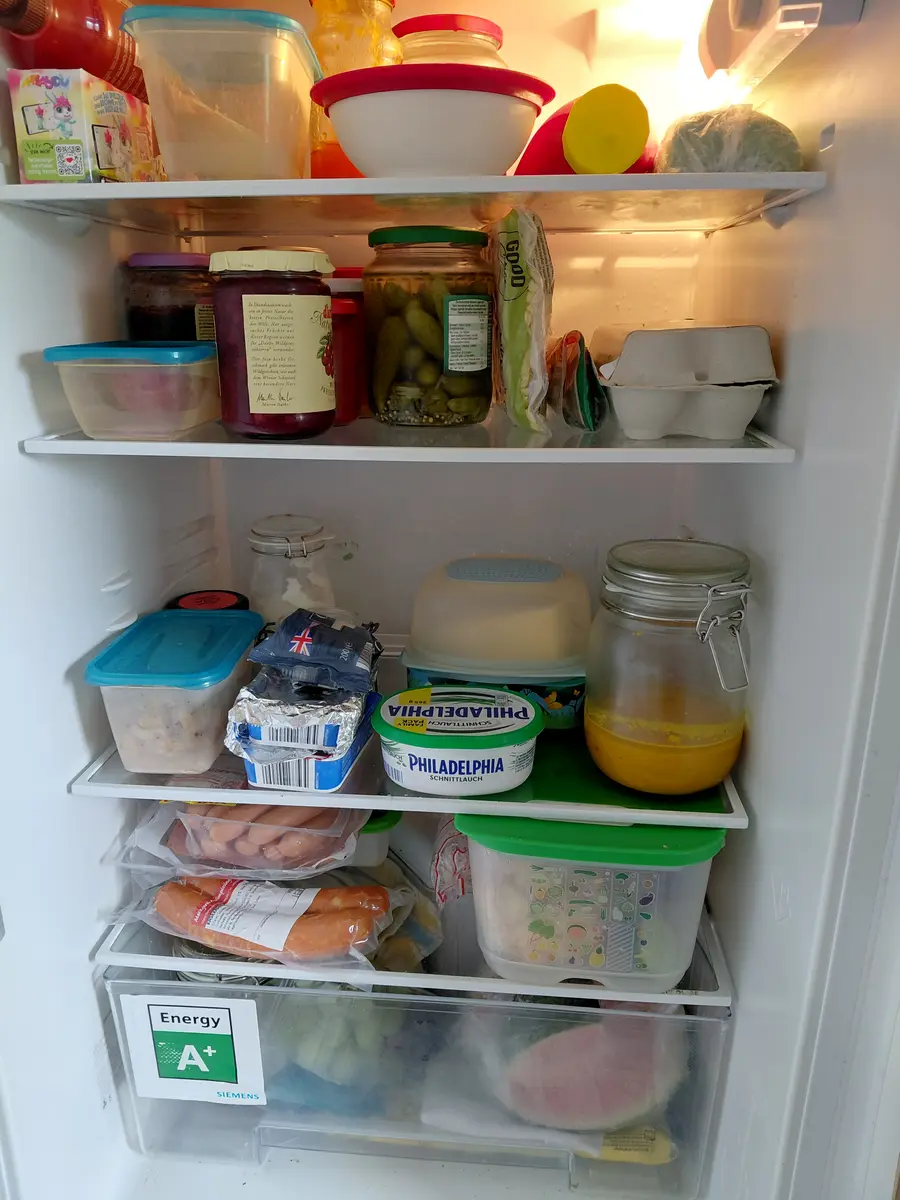
I had rice, potatoes, carrots, celeriac, zucchini, eggs, cream cheese, cream, soy sauce and a few basic pantry staples.
There was also a small amount of cooked pasta left from lunch, but I really did not want pasta again that evening.
Nothing was particularly complicated.
In fact, there were probably too many possible dinners.
And that was exactly the problem.
I did not need more inspiration.
I needed someone — or something — to look at what was already there and say:
Make this.
That is a very different job for AI.
What I asked AI
Instead of writing:
“What can I make for dinner?”
I gave AI the real situation — including the things that actually mattered.
This was the prompt I used:
I need one realistic family dinner for two adults and two young children.
Here’s what I already have:
– rice
– potatoes
– carrots
– celeriac
– zucchini
– eggs
– cream cheese
– cream
– soy sauce
– a small amount of cooked pasta left from lunch, but I don’t want pasta again tonight
– plus some basic pantry staplesPlease choose ONE dinner — not a list of options.
Prioritize what should be used first, use what I already have before suggesting anything new, and keep additional ingredients to an absolute minimum.
The meal should:
– be suitable for a family with young children
– take about 30 minutes or less
– be realistic for a normal weekday
– avoid unnecessary shopping
– not force every ingredient into the meal just because it’s availableIf any ingredient raises a food-safety question, flag it first.
Then give me the simplest sensible dinner and briefly explain why you chose that one.
The most important sentence was probably:
Please choose ONE dinner — not a list of options.
Because ten perfectly reasonable dinner ideas would still leave me with the same job:
choosing dinner.
And that was the job I was trying to get rid of.

What AI picked
AI chose:
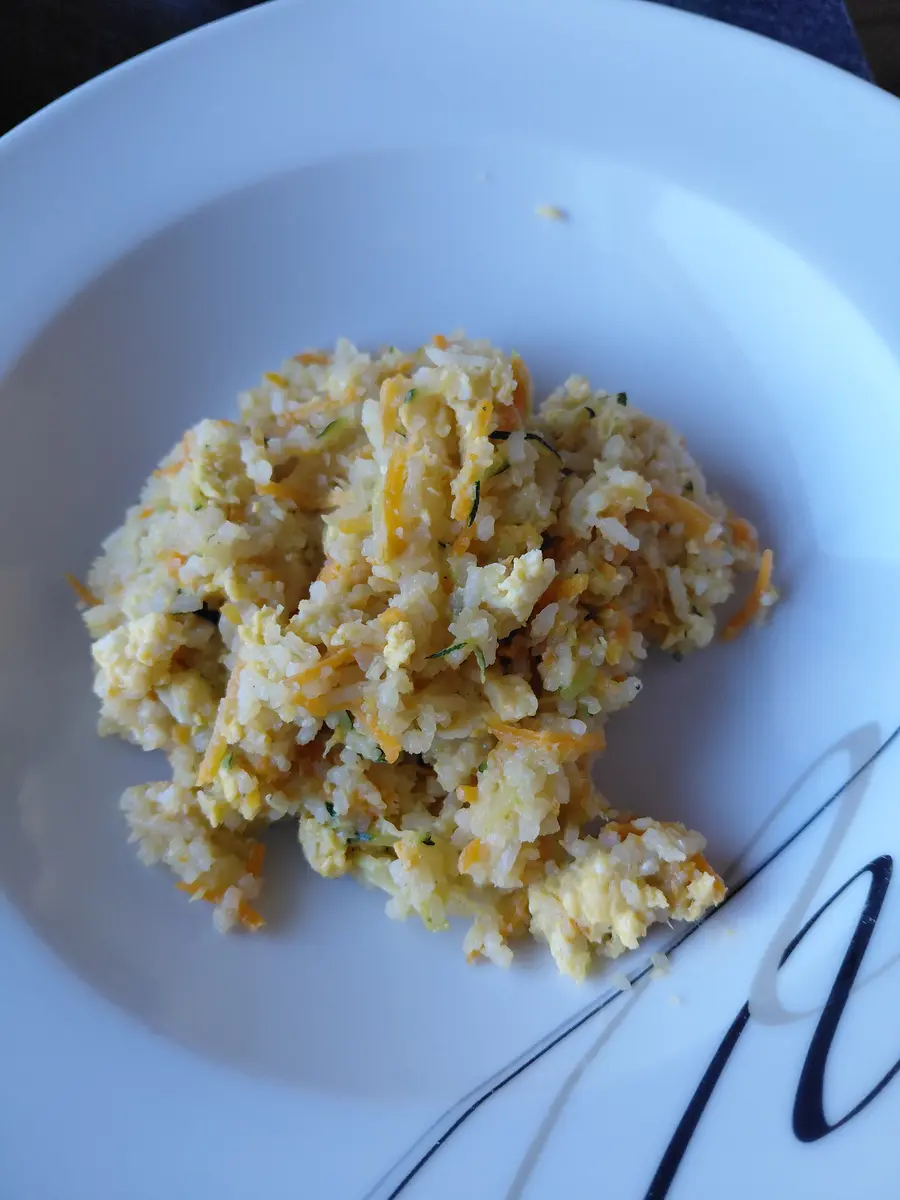
Creamy zucchini-carrot rice with scrambled egg.
Simple.
Familiar ingredients.
No extra shopping.
And most importantly: a decision had been made.
I was not suddenly following some futuristic AI meal system.
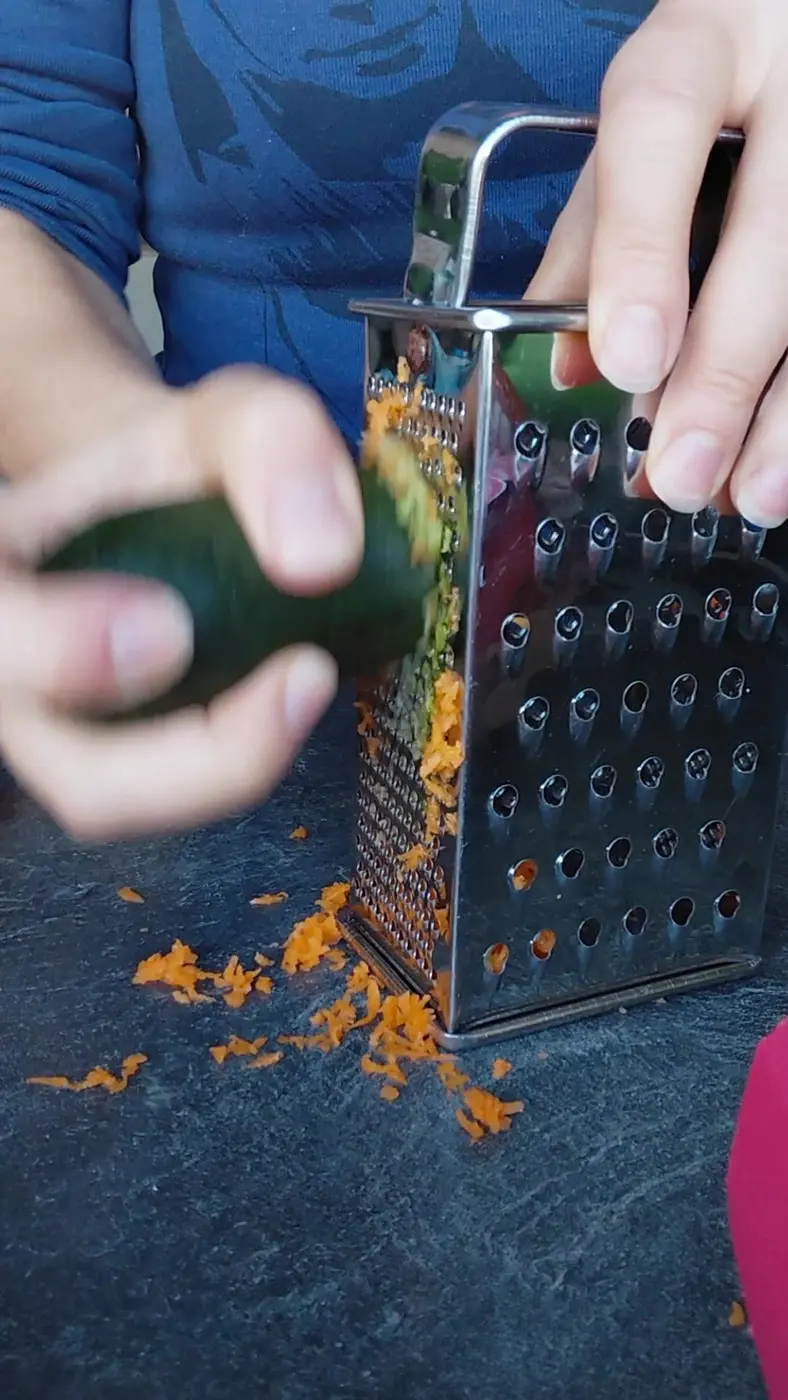
I was still standing in my kitchen grating zucchini and carrots.
AI helped with the planning.
Real life still happened offline.
Which is exactly how I want this kind of help to work.
What happened in real life
I made the dinner.
There was nothing spectacular about the cooking itself — and that is kind of the point.
I grated the vegetables, cooked everything together, put dinner on the table…
and everyone ate it.
Will creamy zucchini-carrot rice with egg become a new family favourite?
Probably not. 😅
But everyone was fed, everyone was happy enough, and I had made dinner without standing in front of the fridge mentally scrolling through twelve possible meals first.
On a normal weekday, I’ll take that as a win.
This did not need to become a 17-ingredient “AI recipe.”
The useful part happened before I started cooking.
I did not have to compare five options.
I did not have to decide whether potatoes, rice or eggs made more sense.
I did not have to open another recipe app.
And I did not have to buy something just to complete a meal idea.
The AI suggestion gave me a reasonable direction using food I already had.
Then I cooked it like a normal person.
That was enough.
The part I would keep
The biggest lesson was not:
AI is good at recipes.
It was:
AI can be useful when you give it the decision itself.
There is a big difference between asking:
“Give me dinner ideas.”
and asking:
“Look at my actual situation and choose one realistic dinner.”
The first gives you more information.
The second can remove one decision.
For me, the second is much more useful.
Especially on the kind of day when there is technically enough food in the house — but not enough brain left to decide what to do with it.
One important reality check: food safety
There is one part I would not hand over blindly to AI:
deciding whether questionable leftovers are still safe to eat.
In this experiment, anything that raised a genuine food-safety question needed to be checked separately before it went into the meal.
That is a useful boundary in general.
AI can help decide what to make.
It should not replace sensible food-safety judgment.
If something looks wrong, smells wrong, has been stored too long, or you simply are not sure about it, do not force it into dinner just because it appeared in an AI-generated plan.
Use what you have.
Do not use what you do not trust.
Try it yourself
You do not need to type out your entire kitchen.
Give AI:
- the ingredients that actually need using
- anything you definitely do not want
- your real time limit
- your family constraints
- and the instruction to choose one option
Here is the shorter version I would save for next time:
I need one realistic family dinner using what I already have.
Here are the ingredients I want to use:
[ADD YOUR INGREDIENTS]Please choose ONE dinner, not a list.
Use what I already have first, keep extra ingredients to a minimum, make it realistic for a normal weekday, and tell me briefly why you chose it.
If anything raises a food-safety concern, flag that first.
That is the prompt I would actually want to reuse.
Not because AI needs a perfect prompt.
Because you should not have to make another decision after asking for help.
Save the prompt and try it the next time your fridge has food but your brain has no dinner plan.
And if you could hand over one dinner decision to AI this week — what would it be?